
Introduction to Kitchen Islands
Definition and Purpose
A kitchen island is a freestanding piece of cabinetry that is placed in a kitchen to supplement the countertop space, storage, and sometimes even seating. Think of it as a central workstation that makes kitchen tasks more efficient while enhancing the room's layout and functionality.
These islands often serve multiple roles—prep space, dining area, storage solution, and even a place to entertain guests. As homes evolve into multi-use spaces, the kitchen island has become not just a trend but a must-have feature in modern design.
History and Evolution
While kitchen islands may feel like a modern innovation, their roots go back centuries. In colonial kitchens, large farmhouse tables were used for food preparation, much like today’s islands. Over time, these tables evolved with storage, sinks, and appliances integrated into their design, leading to the sleek, functional islands we see today.
Types of Kitchen Islands
Portable Kitchen Islands
These are moveable, standalone units often equipped with wheels. Perfect for small spaces, portable islands offer flexibility and extra prep area without the commitment of built-in installations.
Built-In Islands
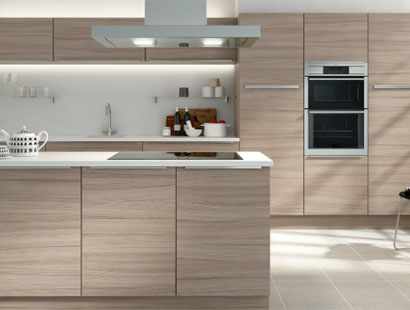
Built-in islands are permanent installations that often match your kitchen cabinetry. They can house sinks, cooktops, and dishwashers, becoming an integral part of the kitchen's design and workflow.
Double Islands
A growing trend in luxury homes, double islands provide separate zones for cooking and socializing. One island can serve as a meal prep station while the other becomes a dining or serving area.
Key Features of a Kitchen Island
Storage Solutions
From deep drawers to hidden cabinets, islands can store everything from pots and pans to small appliances. Some even have built-in wine racks or pull-out spice drawers.
Seating Options
Kitchen islands can double as a casual dining space. Bar stools or built-in bench seating make it a perfect spot for breakfast or homework.
Workstation & Appliance Integration
Many kitchen islands come equipped with a sink, cooktop, or even a dishwasher, turning them into self-contained workstations that streamline cooking and cleanup.
Benefits of Having a Kitchen Island
Enhancing Functionality
A well-designed island adds valuable prep and counter space. You can chop, mix, cook, and clean—all in one central area.
Boosting Aesthetic Appeal
With endless styles, materials, and finishes to choose from, a kitchen island can be a stunning focal point. Whether rustic wood or sleek marble, it adds visual interest and sophistication.
Social and Family Space
The kitchen is the heart of the home. Islands encourage interaction—kids do homework, guests chat while meals are prepped, and families gather informally.
Ideal Kitchen Layouts for Islands
These layouts naturally accommodate islands by creating an open zone in the center, perfect for a small or medium-sized island.
U-Shaped Kitchens
U-shaped kitchens provide more space for larger islands, making them ideal for integrated appliances or seating areas.
Open-Concept Layouts
In open-concept homes, islands help define the kitchen space while maintaining a visual and physical connection to the living or dining areas.
Materials Used in Kitchen Islands
Countertop Materials
Popular options include granite, quartz, butcher block, and stainless steel. Each material offers unique benefits in durability, maintenance, and style.
Cabinetry and Finishes
From painted wood to custom laminates, the base of your island can be styled to match or contrast with existing cabinets.
Kitchen Island Dimensions and Spacing
Standard Sizes
Typical islands range from 4 to 7 feet in length and 2 to 4 feet in depth, but sizes can vary based on kitchen size and purpose.
Clearance Recommendations
At least 36 to 42 inches of clearance around all sides is essential for smooth movement and functionality.
Kitchen Island Design Trends 2025
Multi-functional Islands
More islands now offer multi-use features like lift-up storage, dining zones, and even pet feeding stations.
Smart Kitchen Technology
Expect built-in screens, smart cooktops, and voice-activated appliances integrated into high-end islands.
Common Mistakes to Avoid
Ignoring clearance space
Choosing the wrong size for your kitchen
Over-customizing without considering resale value

Write a comment ...